New vs Refurbished Fujikura Fusion Splicer. Is It Worth the Saving?
New vs Refurbished Fujikura Fusion Splicer — Is It Worth the Saving?
If you're in the market for a Fujikura fusion splicer, you've probably noticed the price gap between new and refurbished units. A brand new Fujikura 90S+ can set you back upwards of £5,000 in the UK. A professionally serviced refurbished unit of the same model can be found for significantly less. So is the saving worth it, or are you taking a risk?
The honest answer is: it depends on who you're buying from and what condition the unit is actually in.
Why Fujikura splicers hold up well refurbished
Fujikura fusion splicers are built to last. They're used in demanding field environments, dusty construction sites, telecoms vaults, aerial installations and are engineered to handle it. The rugged construction means that a well-maintained unit doesn't degrade significantly with use. The core components that determine splice quality, primarily the alignment system and the arc mechanism, are highly durable when properly serviced.
This is different from, say, buying a refurbished laptop where battery degradation and wear on moving parts are a constant concern. A fusion splicer that has been properly cleaned, had its electrodes replaced and been tested by a qualified technician performs to the same specification as a new one.
What to look for when buying refurbished
Not all refurbished units are equal. Here's what matters:
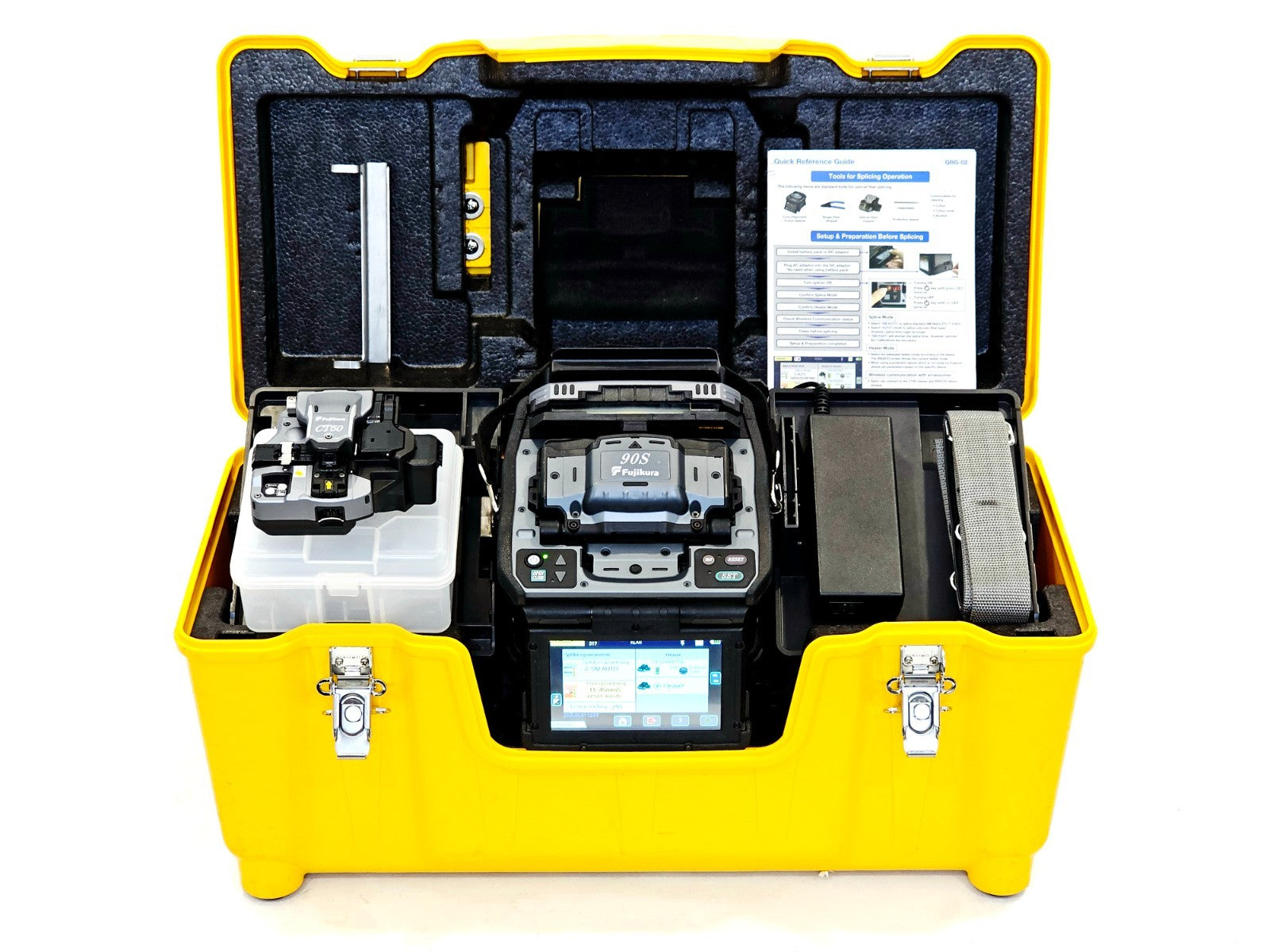
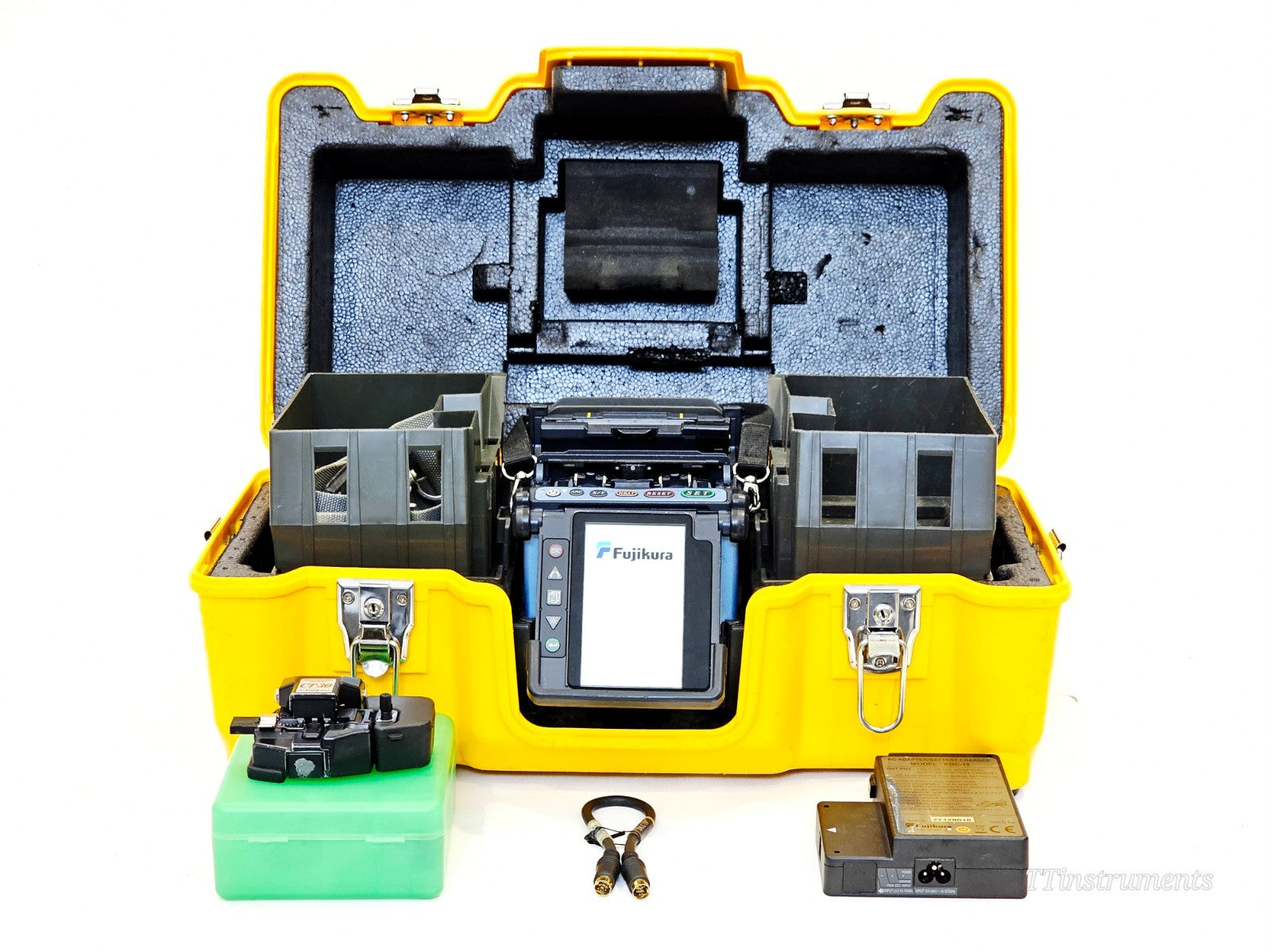
The arc count tells you how many splices the machine has performed in its lifetime. Every unit we sell has this documented on the listing so you know exactly what you're getting. Physical condition matters too; check the listing images carefully for screen condition, housing, and any signs of damage.
Servicing history is arguably the most important factor. A unit that has been through an authorised service centre and had worn parts replaced is a very different proposition to one that has simply been cleaned and relisted. At TT Instruments, we document the service date and service centre on every applicable listing.
Firmware version is worth checking. Older firmware can sometimes affect performance on newer fibre types. Most modern Fujikura units can be updated, but it's worth confirming before you buy.
If you want a detailed breakdown of exactly what to inspect before purchasing, read our guide on what to check before buying a refurbished fusion splicer.
When new makes more sense
Buying new does make sense in certain situations. If you need a manufacturer warranty for contractual reasons, some large telecoms projects require it, then new is the only option. If you're buying for very high volume production environments where downtime is extremely costly, the peace of mind of a full warranty may justify the premium. And if you specifically need the very latest model with features not available on previous generations, new is your only route.
When refurbished makes more sense
For the vast majority of field engineers, contractors and smaller telecoms businesses, a professionally serviced refurbished Fujikura delivers the same splicing performance at a substantially lower cost. The saving can be significant enough to buy a higher-spec model refurbished than you could afford new, a refurbished 90S for less than the price of a new 41S, for example.
It also makes strong financial sense if you need a reliable backup unit, or if you're equipping a team and need multiple splicers without blowing the equipment budget.
The bottom line
A refurbished Fujikura fusion splicer from a reputable, ISO-certified supplier is a sensible, cost-effective choice for most applications. The key is buying from someone who can document what the unit has been through, service history, arc count, firmware version, and physical condition, rather than buying blind. We cover this in more detail in our article on why buying from an ISO 9001 certified supplier matters.
Browse our current range of refurbished Fujikura fusion splicers, all professionally tested and dispatched from our UK warehouse.