




Tested
14 Day Money Back Guarantee

Great Value

Global Shipping
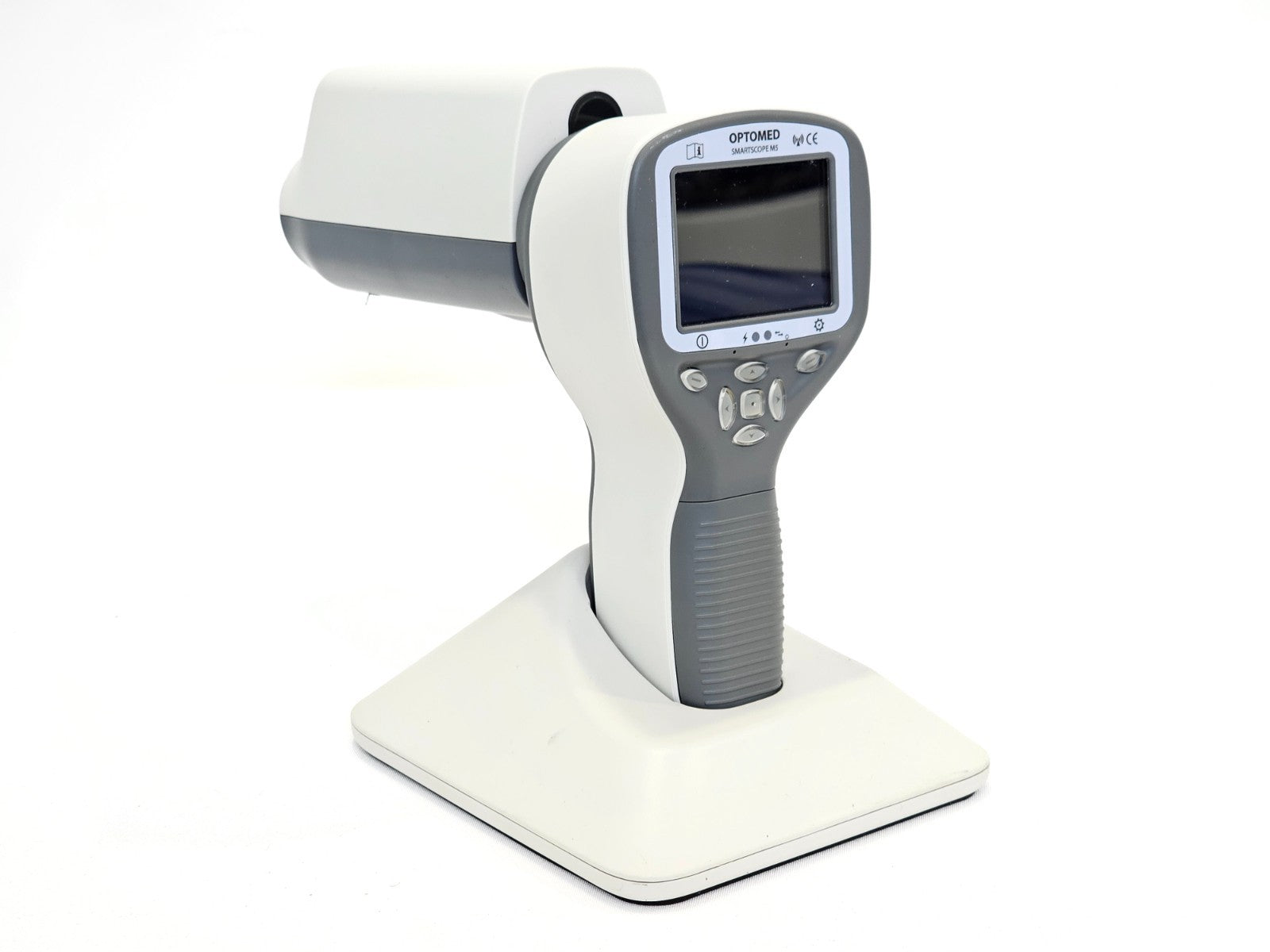
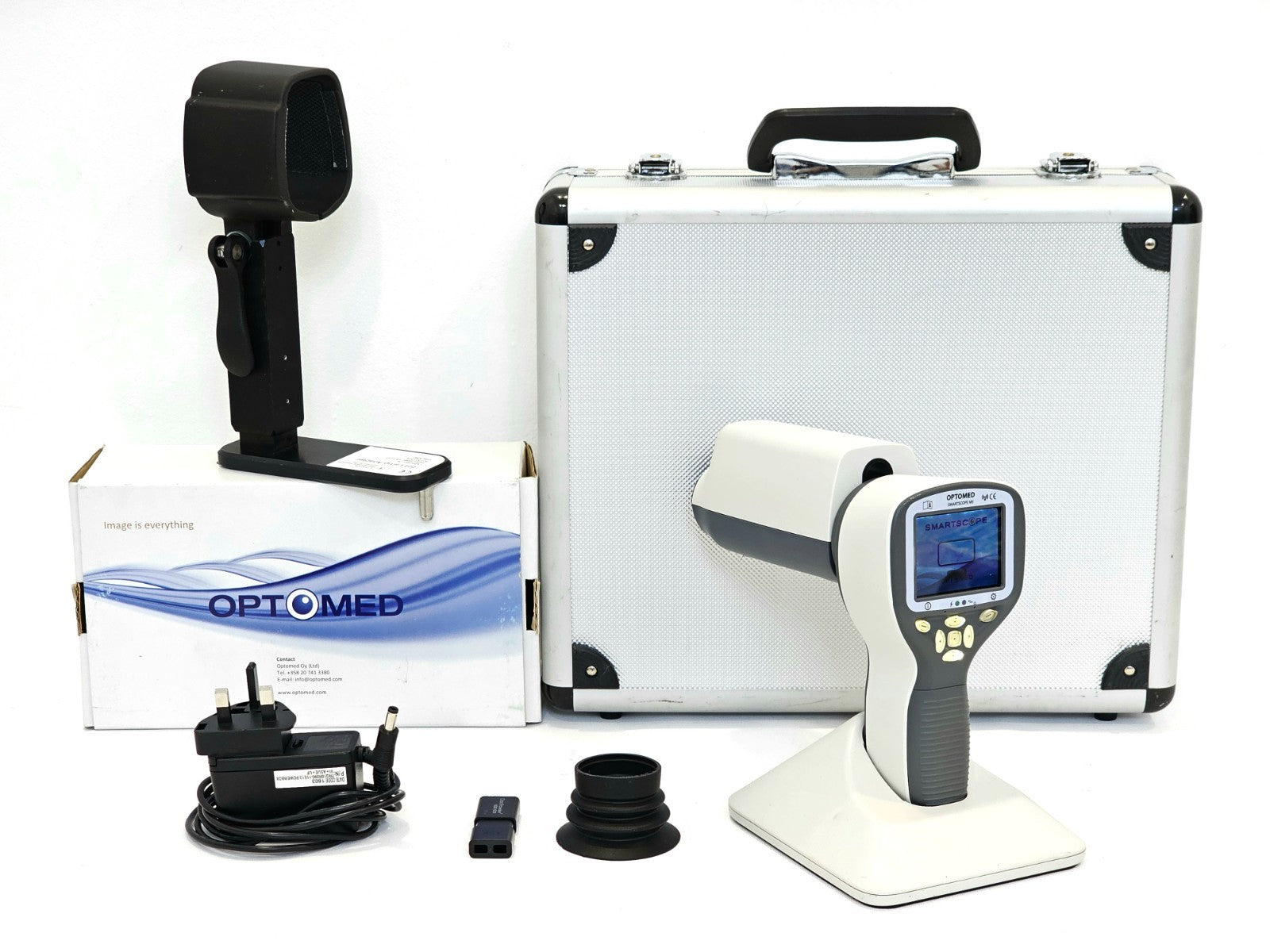
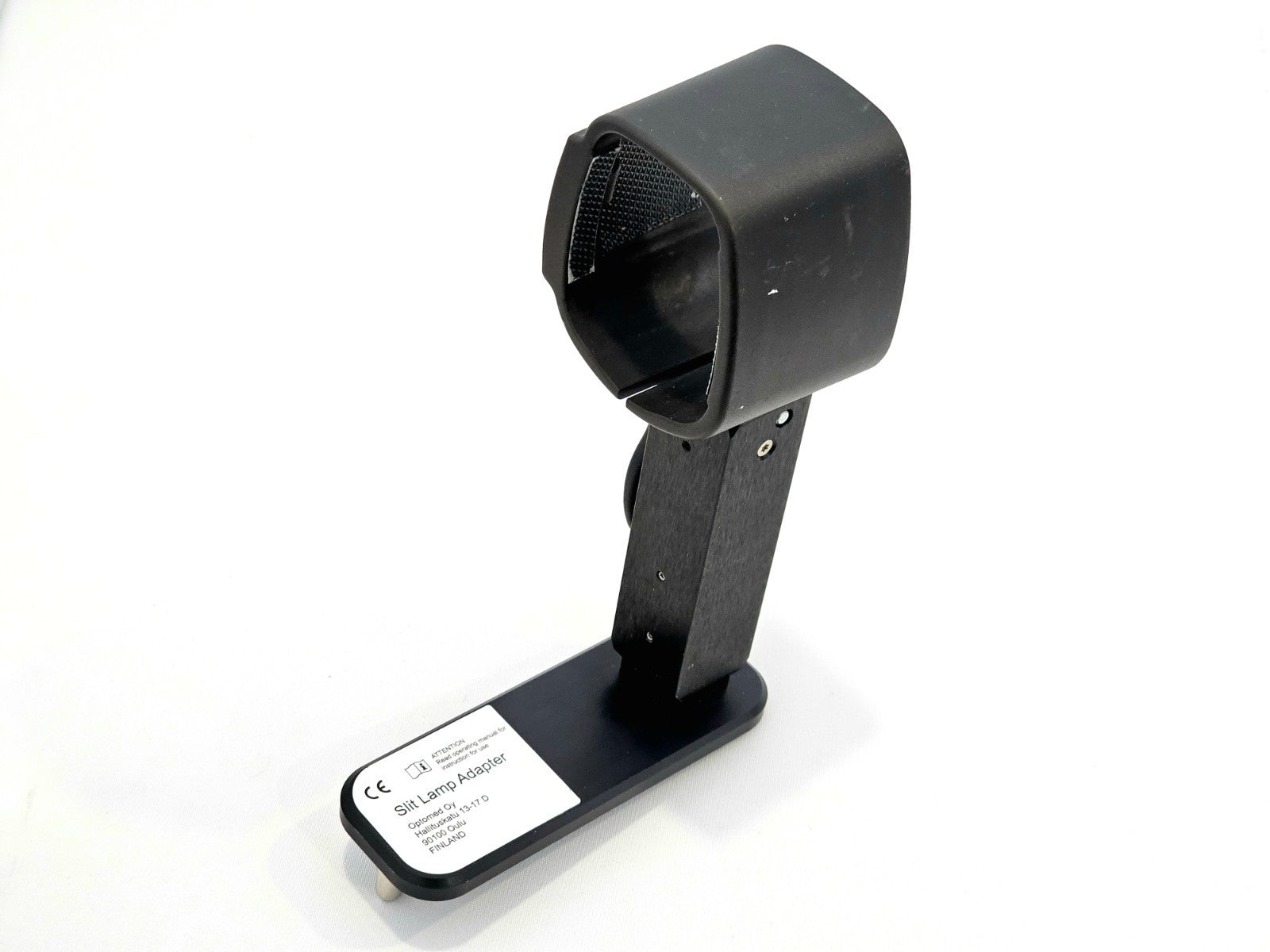
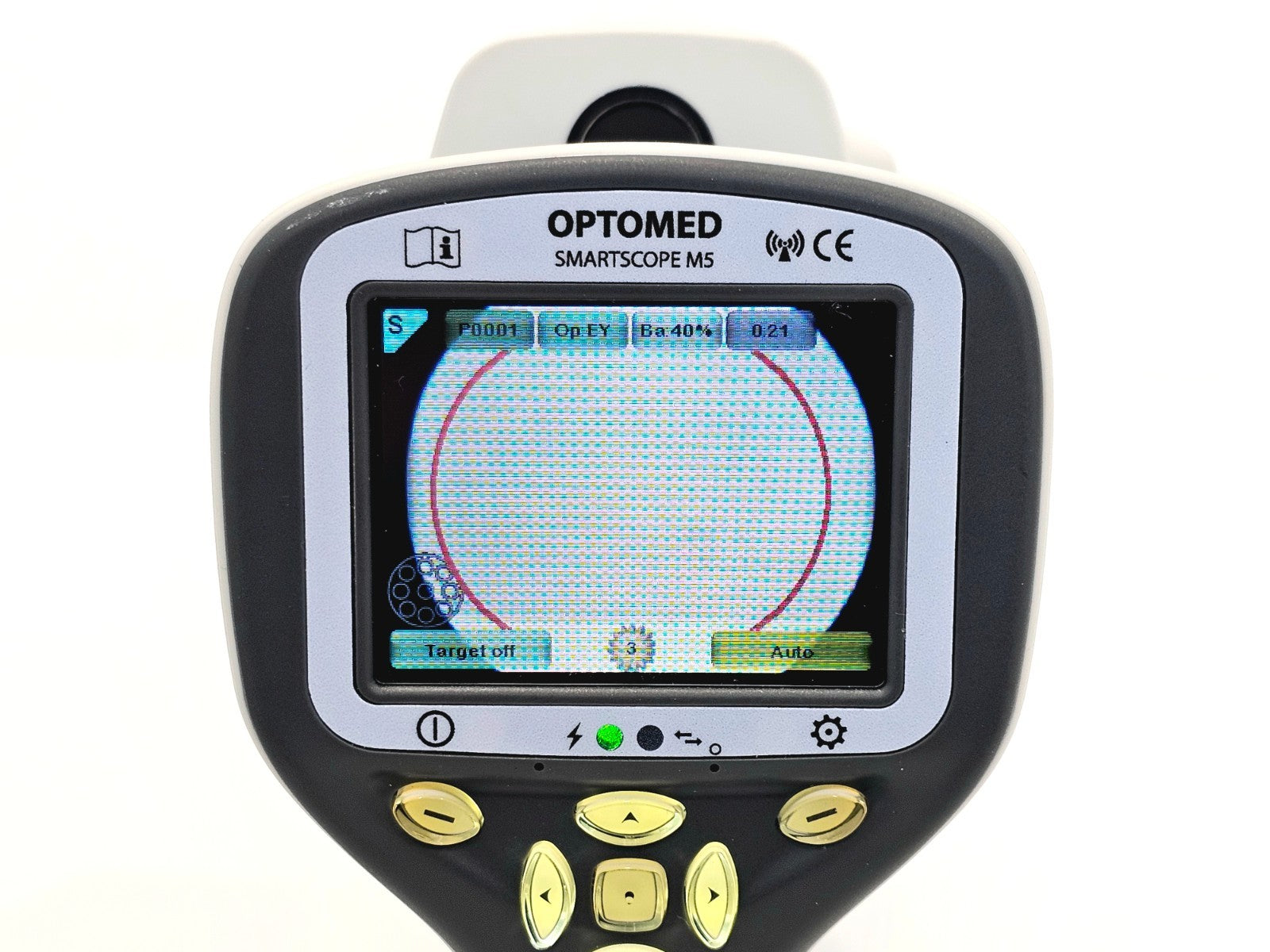
Optomed SmartScope M5 Handheld Fundus Camera +EY4 Cradle Slit Lamp Adapter
Contact us if you want to make a price offer for this product.
Choose options
Shipping & Returns Policy
Shipping Policy
- Processing Time: Orders are typically processed and dispatched within 1 business day.
- Shipping Methods: We offer Expedited Shipping to all destinations using UPS/DHL/Fedex/Royal Mail and other reputable carriers.
- Shipping Times: Mainland UK: 1-2 Business Days / Mainland Europe and USA: 2-3 Business Days / Rest of the World 5-7 Business Days.
- Shipping Costs: These are calculated at checkout based on the shipping method, destination and package dimensions.
- CUSTOMS AND TAXES: It is YOUR responsibility to liaise with customs in your country and ensure your package is cleared and any taxes are paid.
- Shipping Destinations: We ship worldwide.
- Tracking: Once your order is shipped, we will provide you with a tracking number via email.
- Insurance: All shipments are insured. In case of damage, please contact us via email within 48 hours of receiving the product with photographic evidence, please also ensure a report is logged with the delivery driver.
Returns Policy
- Return Period: In the event of an item being received which is not as specified, you can return your purchase within 14 days of delivery.
- Condition of Items: Items must be returned unused and in their original packaging.
- Return Method: All returns must be notified in writing to hello@ttinstruments.com, and the email should include the order number, date and reason for return within 14 days of delivery.
- Restocking Fees: A restocking fee of up-to 20% is applicable for items returned for any reason other than not as specified.
- Refund Method: Refunds are processed to the original method of payment within 5 business days of receiving the return.
- Exchanges: We do not offer exchanges. It will either be a replacement or a refund.
- Return Shipping Costs: Return shipping costs will be borne by the customer unless the item is not as specified, in which case we will arrange a prepaid return label.
Ready to Get Started?
What you get
Quality products, tested and accurately described by our in-house experts. Carefully packed and shipped worldwide.
Shipping & Returns
You can use the shipping rates calculator in product details to estimate shipping cost. See our Returns page for other details.
Still Unsure?
Feel free to have any additional questions you might have about the product. We're available via chat, email or phone.
Refurbishment Process
Every product at TT Instruments goes through a unique process before it's made available for sale. Check it out!
Frequently Asked Questions
Yes, we accept offers on most of our products. You can send us an offer by contacting us.
The equipment we sell will normally be used and so it is essential you carefully read the description and review the images, if there are any cosmetic defects or otherwise we will Cleary state this within the description and display it in the images.
Yes, we ship all over the world. Shipping costs will apply, and will be added at checkout. Most orders are delivered within one week.
UK: 1-2 working days
Mainland Europe, US & Canada : 2-3 working days
Rest of the world: 5 working days
Subject to customs
Please refer to our detailed shipping policy.
Orders may be subject to import taxes/duties. You'll need to check local authorities for accurate information on this.
Most of our products are eligible for a 14 day return period from delivery date. (if the product is not as described).
Please refer to our detailed shipping and returns policy.
Please see our detailed FAQs page